- Creative Caffeine by Erin Bornstein
- Posts
- The Hidden Cost of Ignoring AI in Footwear
The Hidden Cost of Ignoring AI in Footwear
The AI Gap Is Already Costing Footwear Brands Time and Money

Erin Bornstein
March 09, 2026
ReBorn Designs / Read Time: 8 min
"I spent two weeks building renderings for a concept deck. The team loved them. The factory said it could not be built."
A designer shared this with me recently.
Beautiful presentations.
Great storytelling.
Strong concepts.
Yet development still slowed everything down.
If you work in footwear, you have likely experienced this gap.
The gap between what we design and what can actually be produced.
And right now, that gap is exactly where AI is beginning to change the industry.
When I analyzed the performance of my LinkedIn posts over the past year, something interesting stood out. Posts that discussed AI in design and product creation consistently performed far above average.
Across hundreds of posts, AI related topics generated some of the strongest engagement.
Average views on AI related posts were around 4,700.
One post discussing AI tools reached over 54,000 views.
Clearly, designers and product teams are paying attention.
Not because AI is trendy.
Because teams everywhere are feeling the same pressure.
Move faster.
Reduce samples.
Hit margins.
Deliver stronger storytelling.
Ignoring tools that can help with this process is quietly becoming expensive.
The Pain Points Designers Know Too Well
Footwear teams deal with a lot of hidden friction in the design process.
A concept sketch looks great but struggles once tooling begins.
Color stories look amazing in a deck but are hard to visualize in real materials.
Development cycles stretch because construction details were missed early.
Factories receive unclear visuals and spend weeks asking questions.
These issues are not about talent.
They are about visibility earlier in the design process.
For decades, footwear creation followed a simple path.
Sketch
Render
Prototype
Revise
Today that model is under pressure.
Brands want faster launches, tighter margins, and fewer physical samples.
This is where AI tools are starting to remove friction.
Where AI Is Actually Helping Designers
AI is not replacing designers.
What it is doing is making ideas easier to see and easier to decide on.
One platform I have been integrating into my workflow is NewArc.
Recently I used it during a concept review where we were trying to align on direction for a new product. Normally this type of conversation takes hours. People are looking at CAD drawings, trying to imagine materials, and debating details that are hard to visualize.
Even for professionals in the footwear industry, reading a CAD correctly can be challenging.
For people outside design, it is even harder.
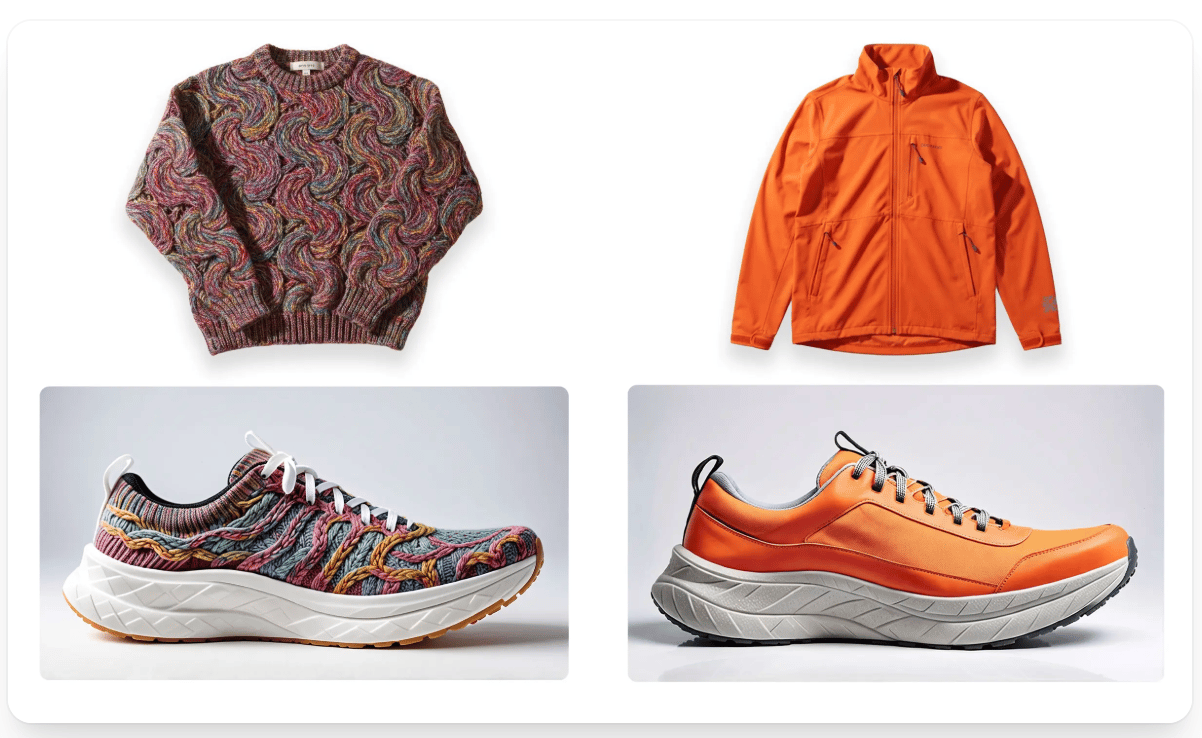
Using AI renderings completely changed that conversation.
Instead of interpreting line drawings, the team could clearly see the product. Materials looked realistic. Colors felt accurate. The proportions were obvious.
What normally becomes a multi hour debate turned into a one hour decision.
Everyone in the room understood the concept immediately.
This is why it has become one of my favorite sell-in tools. It helps teams align faster and allows decision makers who are not used to reading technical drawings to confidently say yes or no.
Tools like this allow designers to:
• Render Concepts Faster: Convert sketches into realistic product visuals quickly
• Test Color Instantly: Explore palettes and materials without waiting for samples
• Improve Communication: Help development teams clearly understand design intent
• Reduce Sampling: Validate concepts earlier and avoid unnecessary prototype rounds
Better visualization leads to better factory communication.
Better communication leads to fewer costly surprises.
If you want to experiment with it, you can try the platform using my link here:
But AI Does Not Solve the Biggest Problem
Here is the uncomfortable truth.
Many footwear product issues start before design even begins.
They start in the brief.
If the brief is vague, trend driven, or disconnected from real consumer problems, no rendering tool can fix that.
This is something I wrote about in a previous Creative Caffeine newsletter where I explain why most footwear design briefs fail before sketching even starts.
Clear briefs create clear design direction.
Clear design direction leads to stronger product.
AI simply helps teams move faster once that direction exists.
The Industry Is Talking About This Right Now
This week I will be diving deeper into this topic at Stride, where I will be leading a panel discussion focused on AI and the future of product creation.
I am excited to hear insights from some of the biggest players in the footwear industry who are actively experimenting with these tools.
The conversation is moving far beyond "Should we use AI?"
Instead, leaders are asking deeper questions about how AI fits into real product workflows.
Some of the key questions we will be discussing include:
• Guardrails vs Innovation: At what point do AI guardrails protect the brand, and when do they start slowing innovation?
• Ownership of AI: Who truly owns AI inside an organization, and is that ownership clear enough to scale it responsibly?
• Tool Sprawl: With new AI tools appearing every week, how are teams deciding which ones actually enter the workflow?
• Real Workflow Value: Where is AI genuinely saving time in product creation today, and where is it simply shifting work around?
• Infinite Iteration: If AI makes variation effortless, how do teams prevent endless iteration from becoming the new bottleneck?
• Brand DNA: How do brands scale AI without flattening their identity into the same probabilistic output as everyone else?
• Pilot to Production: What needs to be true before AI moves from an experimental pilot to production critical infrastructure?
If you want to learn more about the event and see who else is speaking, you can check it out here
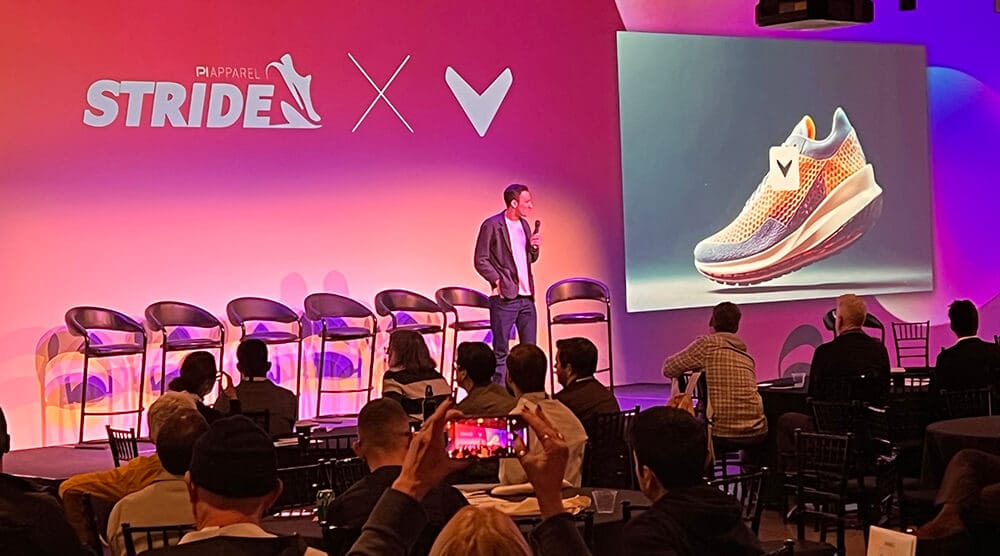
If you are attending, come say hello.
These conversations are shaping what the next decade of footwear design will look like.
Designers Who Adapt Will Move Faster
AI will not replace great designers.
But designers who understand process, development, and tools will move faster than those who do not.
The designers who thrive in the next decade will be the ones who can:
• Strategic Thinking: Understand product beyond aesthetics and trends
• Factory Communication: Translate ideas clearly for development teams
• Faster Visualization: Turn concepts into visuals quickly
• Rapid Iteration: Solve problems before sampling begins
AI simply removes friction from parts of the process.
The thinking and creativity still belong to designers.
The real question is this.
Where in your design process are you still losing the most time?
Because that is exactly where AI will begin changing the workflow next.
Cheers!
Erin

Powered by ReBorn Designs
PS: If you’re ready for more, here are other ways I can help:
If you have any questions, reply to this email.
Need more guidance? Hop on a Discovery Call & let’s talk more.
Follow me on LinkedIn for bite-sized tips throughout the week (free)